
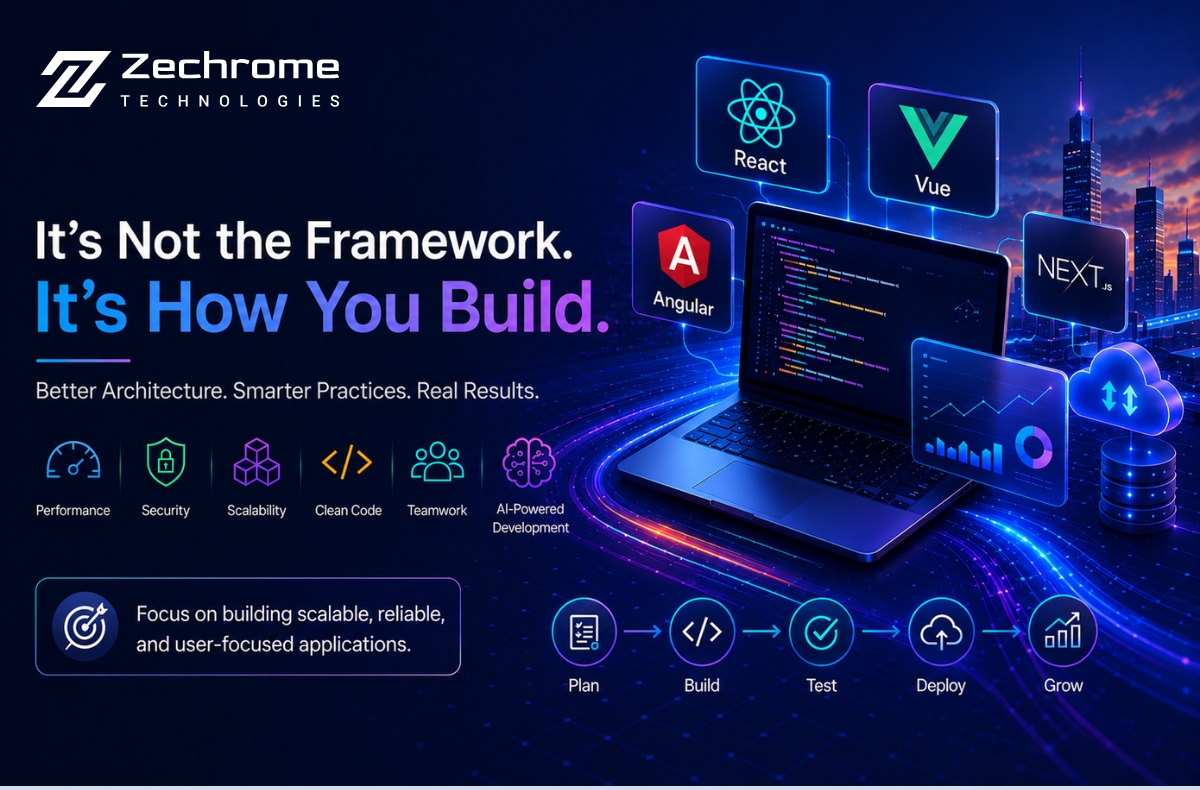
Why Most JavaScript Framework Comparisons Miss the Real Problem
Every few weeks, a new debate starts in the tech world. React vs Vue. Angular vs React. Next.js vs everyone else. Developers spend hours discussing which framework is faster, easier to learn, or better for future projects. While these conversations
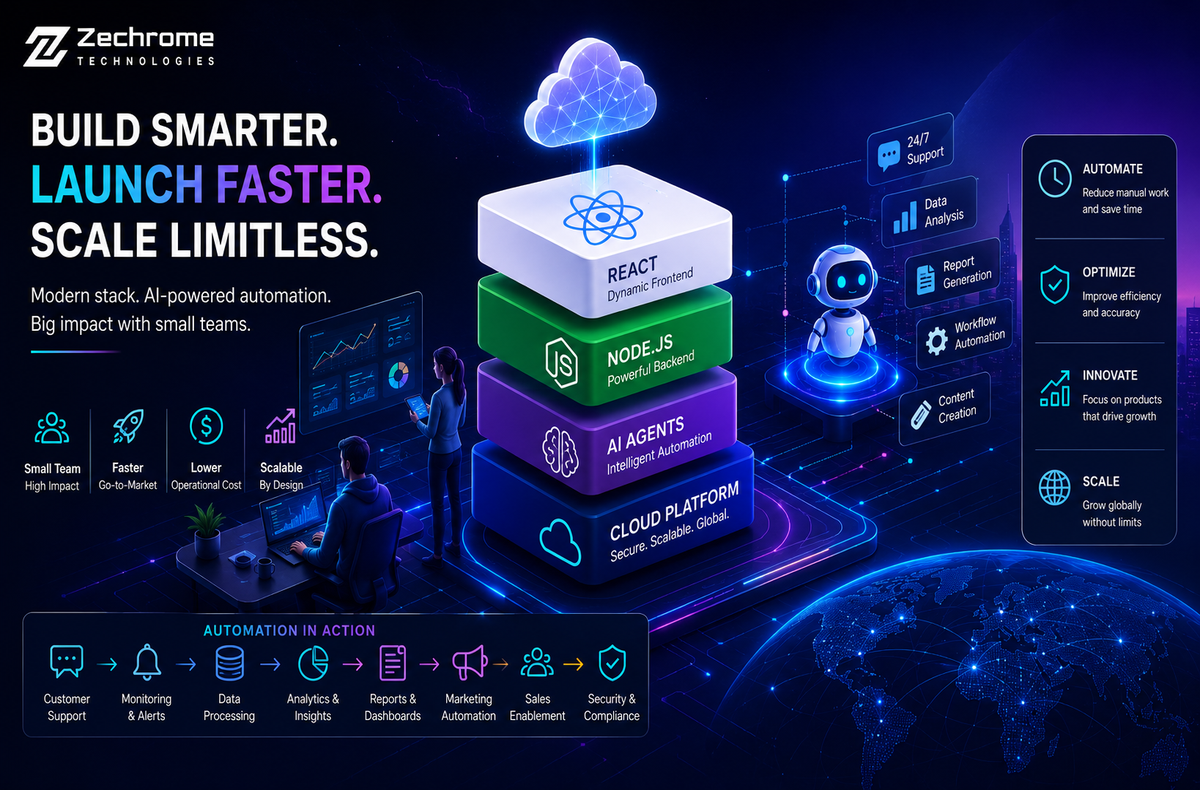
The Modern Startup Stack: React, Node, AI Agents, and Almost No Operations Team
How Small Teams Are Building Products That Once Required Entire Departments In the past, launching a successful technology product required a large team. Companies needed separate departments for software development, customer support, data management, testing, infrastructure maintenance, and operations. Today,
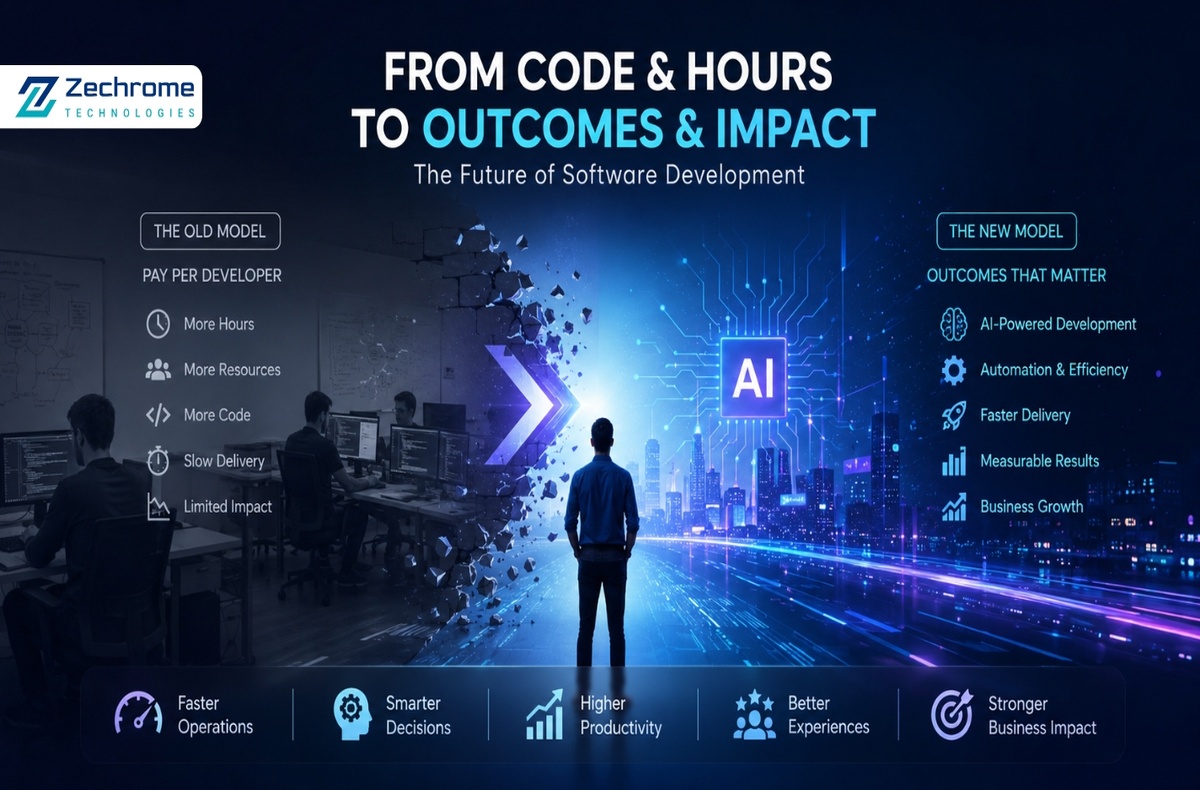
The Death of Traditional Software Outsourcing: Why AI Is Replacing the “Pay Per Developer” Model
The software outsourcing industry is undergoing a major transformation. For years, businesses outsourced software projects by hiring development teams and paying for the number of hours spent building applications. Success was often measured by project timelines, resource allocation, and the
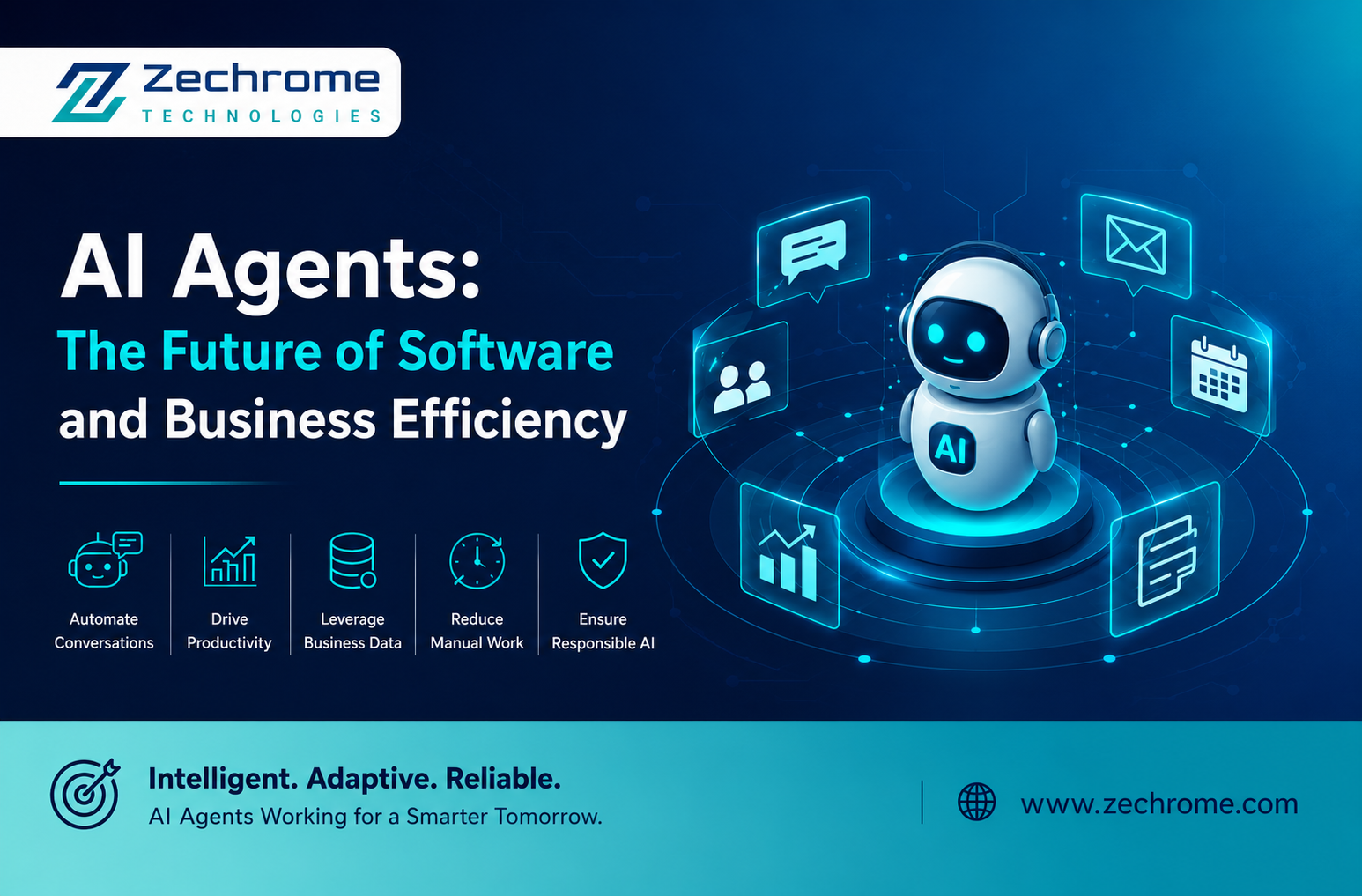
AI Agents Are the New SaaS, Here’s What Founders Need to Know
For years, Software as a Service (SaaS) has been the foundation of modern businesses. Companies have relied on cloud-based software to manage everything from sales and customer support to finance and operations. But a new shift is beginning to reshape
Frontend Development in 2026: What Every Developer Needs to Know
From AI-powered coding assistants to modern rendering strategies, frontend development is evolving rapidly. Here’s what every developer should understand to stay ahead. Frontend development has always been one of the fastest-moving areas of software engineering. Over the last decade, we’ve
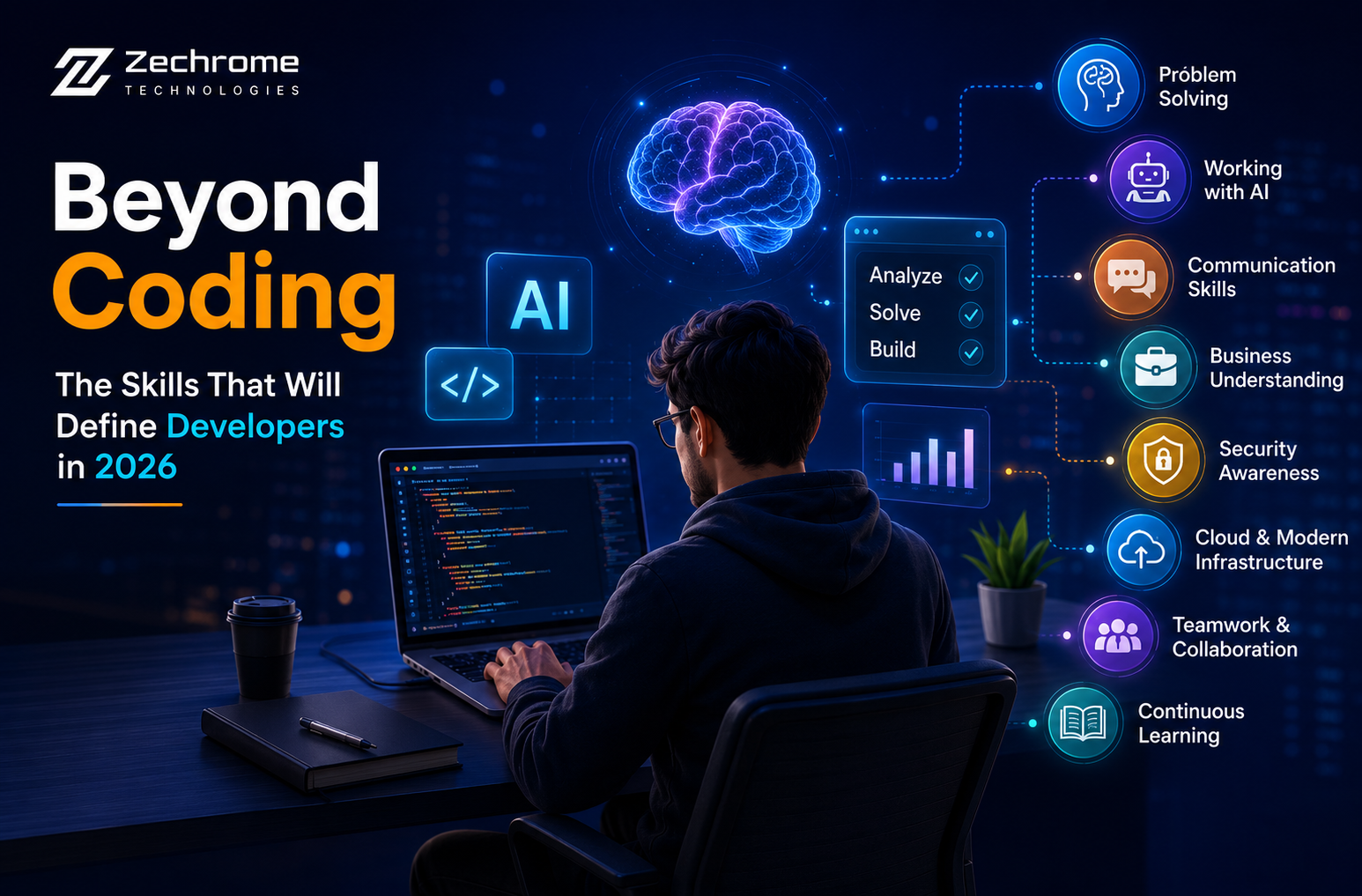
Beyond Coding: The Skills That Will Define Developers in 2026
Artificial Intelligence can now write code, fix bugs, generate documentation, and even build small applications in minutes. This has made many developers wonder: “Will coding still matter in the future?” The answer is yes—but not in the same way. In
